The Long Way Round
Nothing about this was a straight line.
Paul has worn a lot of hats: labouring jobs, the Navy, mining, heavy haulage and finally his own businesses. Every one of them taught him something about adapting, taking risks and growing when the road ahead was not clear.
Chapter 01
It started on a farm
Paul grew up on a farm, and farm life does not negotiate. Animals need feeding whether or not you feel like it. Jobs get finished because the day depends on them.
That rhythm gave him a work ethic he has never really put down. Responsibility came early, and so did the understanding that effort is the one input you always control.
Chapter 02
A hard start at home
Home was tough. Growing up in a chaotic environment with real family struggles, Paul had to build resilience and independence long before most kids think about either.
He is direct about what that did to him, good and bad. It gave him a thick skin and the capacity to sit inside a difficult situation without falling apart. It also gave him things to unlearn later.
Chapter 03
Out on his own at fifteen
At fifteen he moved out and went to work. A butcher's counter. Cleaning jobs. Whatever paid.
Supporting yourself that young teaches you something a classroom cannot: that persistence is a skill, and that nobody is coming to do it for you.
Chapter 04
The Navy
Paul joined the Navy and trained as a marine technician. It was the first place he saw leadership done properly, and the first place he had to be part of something bigger than himself.
Discipline, teamwork, and the habit of doing the job right when nobody is watching. He still runs businesses that way.
Chapter 05
The accident that changed the plan
A motorbike accident ended it. Paul was medically discharged, and the career he had committed to was simply gone.
That is the part of the story he comes back to most often on the show. Not the accident itself, but what you do in the months after one, when the plan is finished and you still have to decide who you are going to be.
Chapter 06
Mining, and learning how business actually works
He pivoted into mining. The technical side came easily enough. The more valuable education was in people: managing them, reading a site, understanding how operations really run once you get past the org chart.
It was the first time he saw a business from the inside and thought he could build one himself.
Chapter 07
Heavy haulage and the big jobs
In heavy transport he managed heavy haulage for BHP's iron ore operations, everything from general freight to 200 metre convoys moving at night.
His logistics work also took in a section of Package 1 on the Roy Hill construction project for Samsung, with freight arriving from China and Thailand, and the move of a large dragline on the east coast, where he changed a method that had been used since the 1980s.
Chapter 08
Backing himself
Then he walked away from a secure job at BHP to start his own logistics and insurance business. A steady wage traded for a risk with his name on it.
Today he works as an insurance broker and risk advisor, helping business owners protect what they have built and prepare for what they cannot see coming. Fifteen years of turning risk into growth, learned the expensive way.
Chapter 09
The JRNY
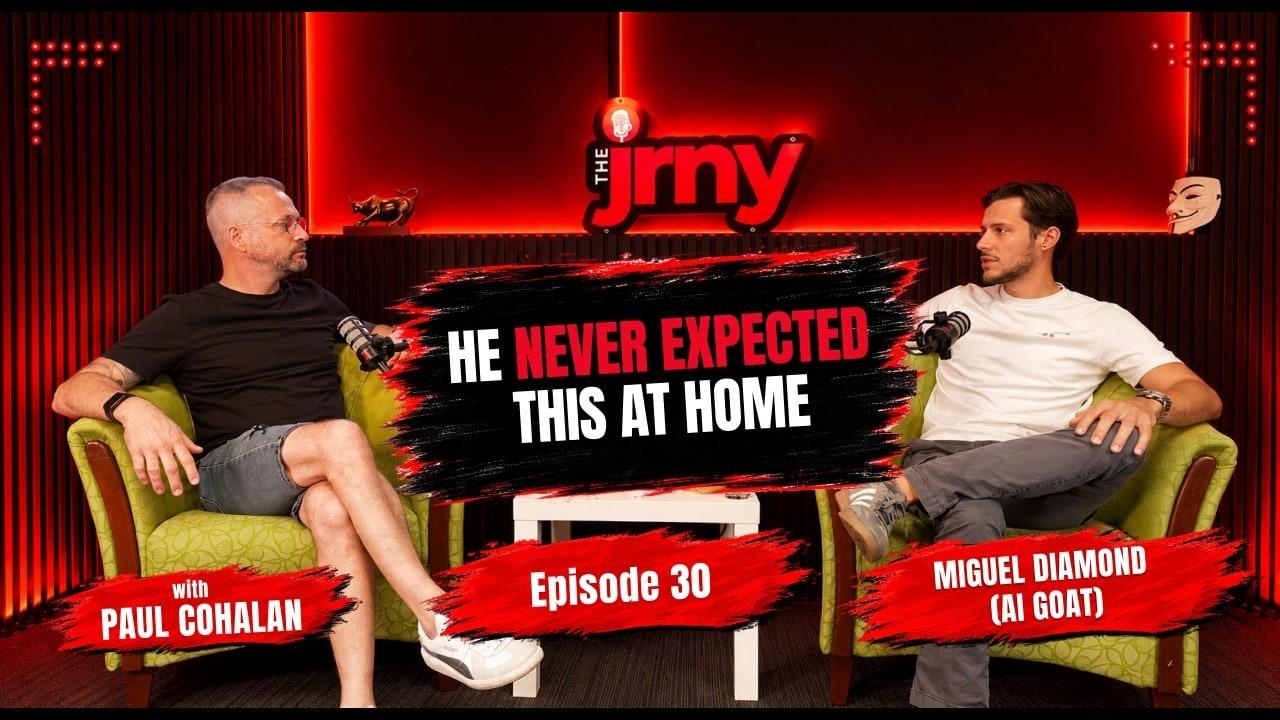
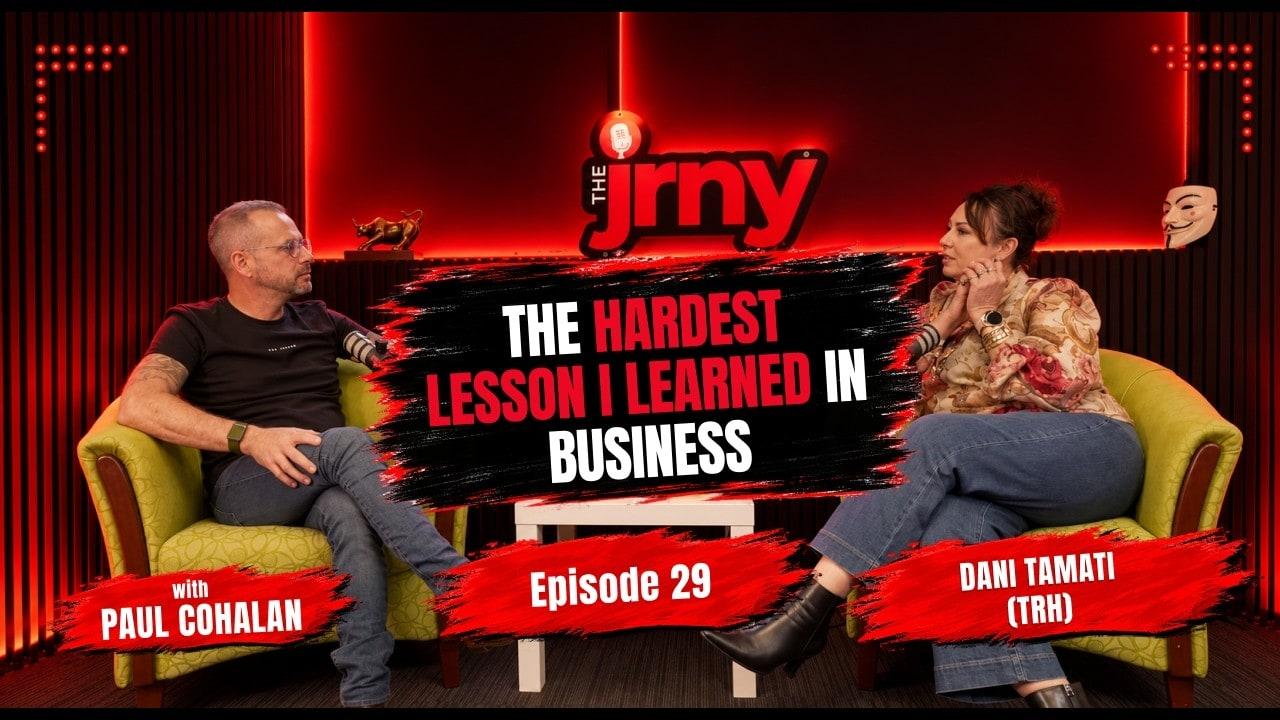
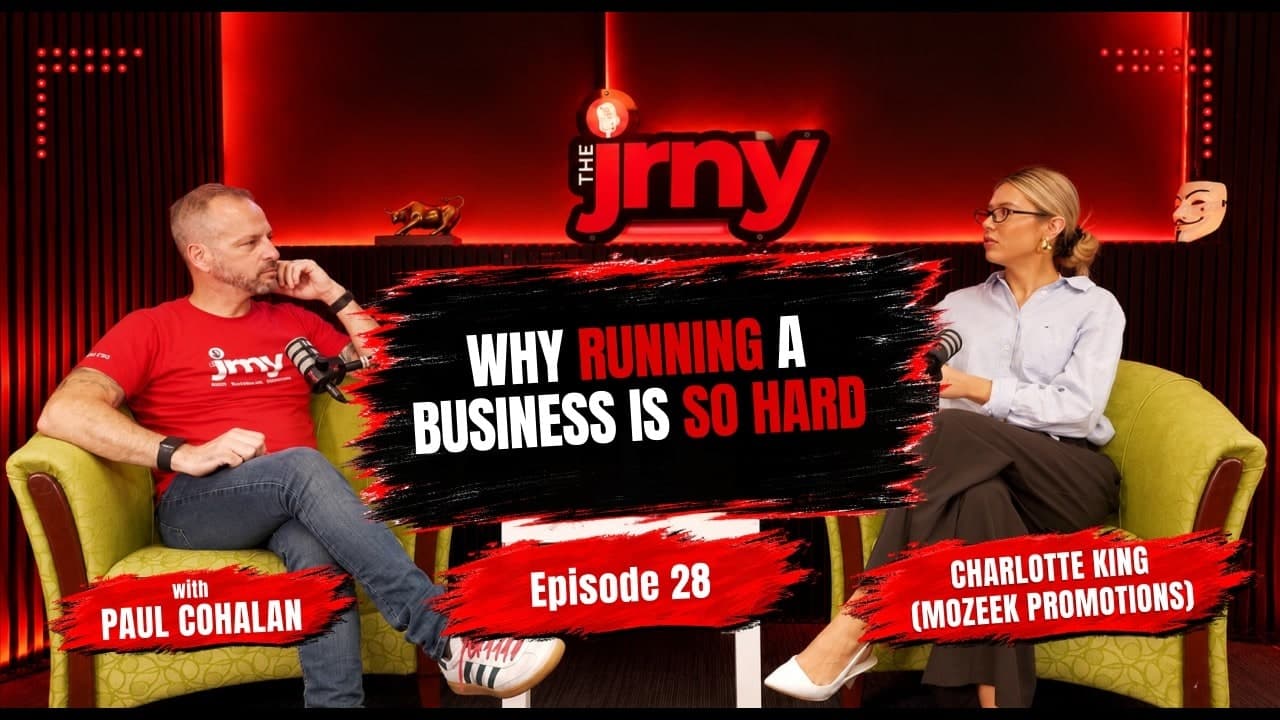
He started the show to ask other people the questions he had to answer himself. In his words on air: “The reason I started this is roadblocks, risk and resilience.”
And the name? “There's no finish line. This is why I called it the journey.”